
Sex Needs a New Metaphor. Here's One
by Al Vernacchio
TED20138 min
Al Vernacchio argues that our current metaphor for sex is broken and proposes a healthier alternative.
Tarot Mapping
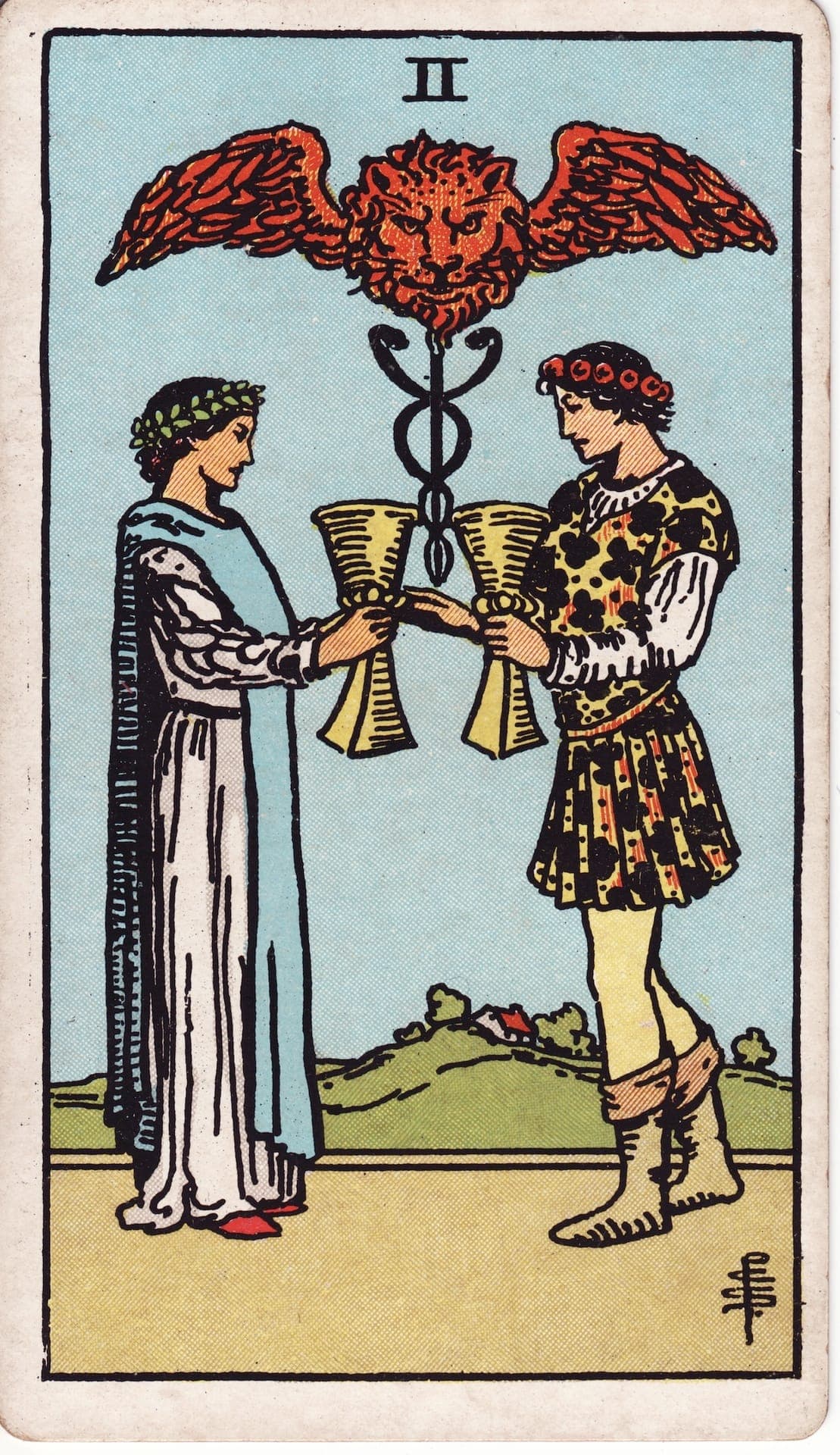
Two of Cups
Two souls come together in a balanced union, pledging mutual respect and affection.
partnershipunitymutual attractiontruceemotional connection
Why This Mapping?
The Two of Cups represents the ideal of a relationship based on equality, cooperation, and mutual satisfaction, distinct from the power dynamics or "games" often found in other interactions. Just as the "pizza" metaphor emphasizes negotiating desires (toppings) and sharing an experience where everyone is satisfied, the Two of Cups signifies a union where "both parties have something to offer each other that may be different in content but equal in value".
▶READ MORE ABOUT WHY THIS MAPPING...
From Competition to Cooperation
Vernacchio critiques the "baseball" metaphor for being adversarial: one person scores, the other defends. Similarly, the Two of Cups is the antithesis of conflict or domination. Unlike the Chariot, which represents triumph, will, and conquest, the Two of Cups is about "harmony, cooperation, and two compatible personalities" working together. It rejects the notion of "insecurity-inducing games" often found in dating, favoring a dynamic where partners "have each other’s backs" and act as a "true team",. This mirrors the shift from sex as a game to be won to sex as a collaborative meal to be shared.
Shared Pleasure and Agreement
The "pizza" metaphor relies on the idea that the goal is not a home run, but mutual satiety... you eat until you are full. The Two of Cups is depicted as a "pledging" of one another, symbolizing a "perfect state of harmony" and "concord",. The card signifies a connection that is "supportive and brings a soft touch to any situation," emphasizing the exchange of emotions rather than the conquest of a goal. It reflects the "pizza" dynamic of negotiating needs (toppings) to create an experience where partners "amplify each other's strengths" rather than competing for control.
Sacred Intimacy vs. A Means to an End
While the Lovers card often represents a major moral choice or the "eternal triangle", the Two of Cups focuses on the specific, intimate exchange between two people in the present moment. It aligns with the concept that intimacy should be an act of "embodiment, pleasure and intimacy" rather than a "means to an end" (like scoring a run). The imagery of the card, often showing two figures toasting or sharing cups, visualizes the consumption of a shared experience, much like the shared meal in Vernacchio's metaphor.
Reflection Questions
- •Who mirrors my values and how can I deepen my connection with them?
- •What step can I take to heal a rift or strengthen a partnership today?
- •Where am I sacrificing my own balance for the sake of a relationship?