
The way we think about charity is dead wrong
by Dan Pallotta
Activist and fundraiser Dan Pallotta calls out the double standard that drives our broken relationship to charities. Too many nonprofits, he says, are rewarded for how little they spend -- not for what they get done. Instead of equating frugality with morality, he asks us to start rewarding charities for their big goals and big accomplishments (even if that comes with big expenses). In this bold talk, he says: Let's change the way we think about changing the world.
Tarot Mapping
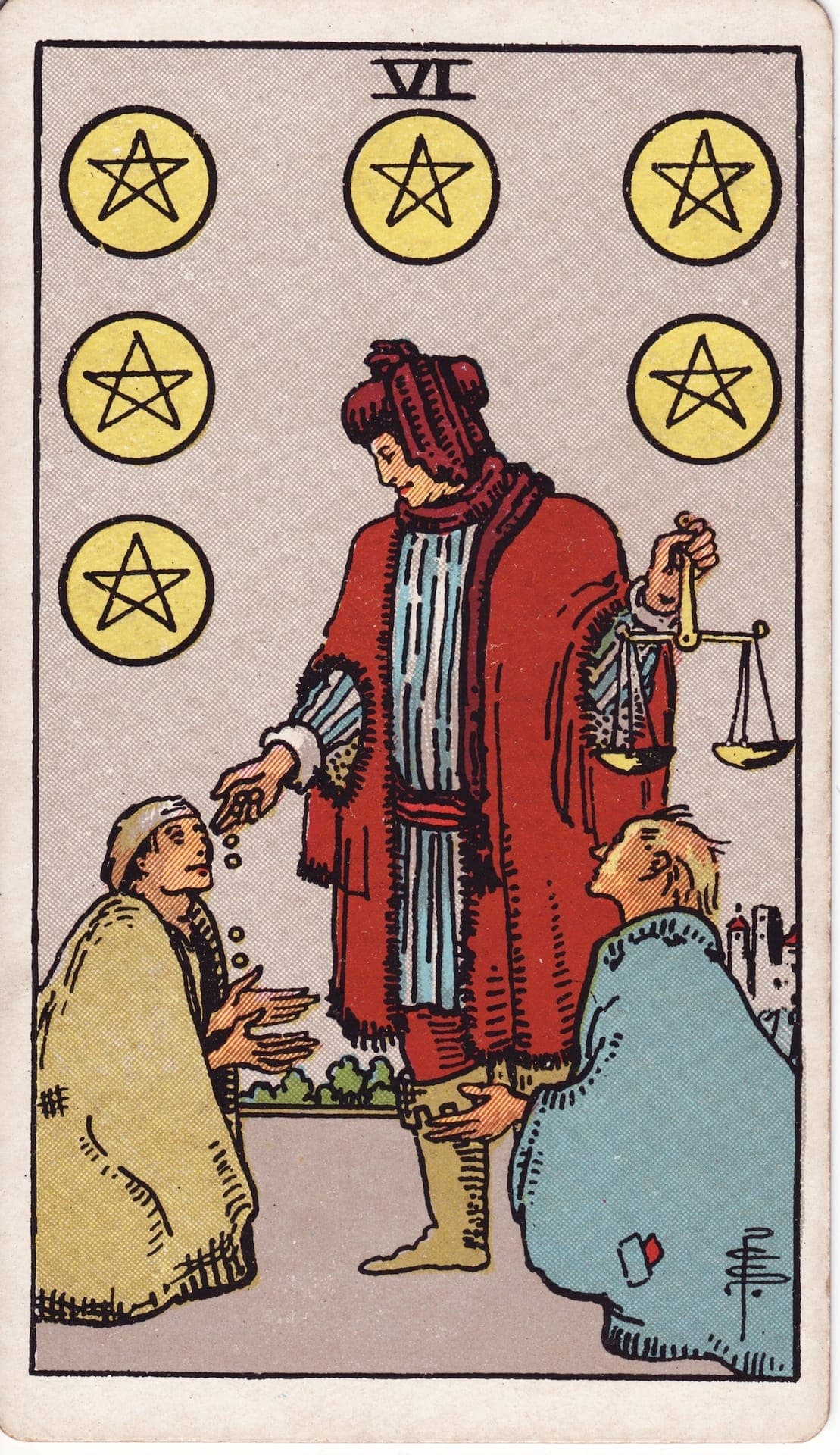
Six of Pentacles
The dynamic balance of giving and receiving resources, highlighting power dynamics and the flow of abundance.
Why This Mapping?
The talk pairs cleanly with the Six of Pentacles because it’s about fair exchange, ethical distribution of resources, and correcting power imbalances—not charity-as-sacrifice, but generosity designed to actually work.
▶READ MORE ABOUT WHY THIS MAPPING...
Reflection Questions
- •Am I currently in a position to give or do I need to receive?
- •How do I feel about the power dynamics in my financial or emotional relationships?
- •Where can I restore balance by offering my resources or asking for support?