
Why you think you're right -- even if you're wrong
by Julia Galef
Perspective is everything, especially when it comes to examining your beliefs. Are you a soldier, prone to defending your viewpoint at all costs — or a scout, spurred by curiosity? Julia Galef examines the motivations behind these two mindsets and how they shape the way we interpret information, interweaved with a compelling history lesson from 19th-century France. When your steadfast opinions are tested, Galef asks: "What do you most yearn for? Do you yearn to defend your own beliefs or do you yearn to see the world as clearly as you possibly can?"
Tarot Mapping
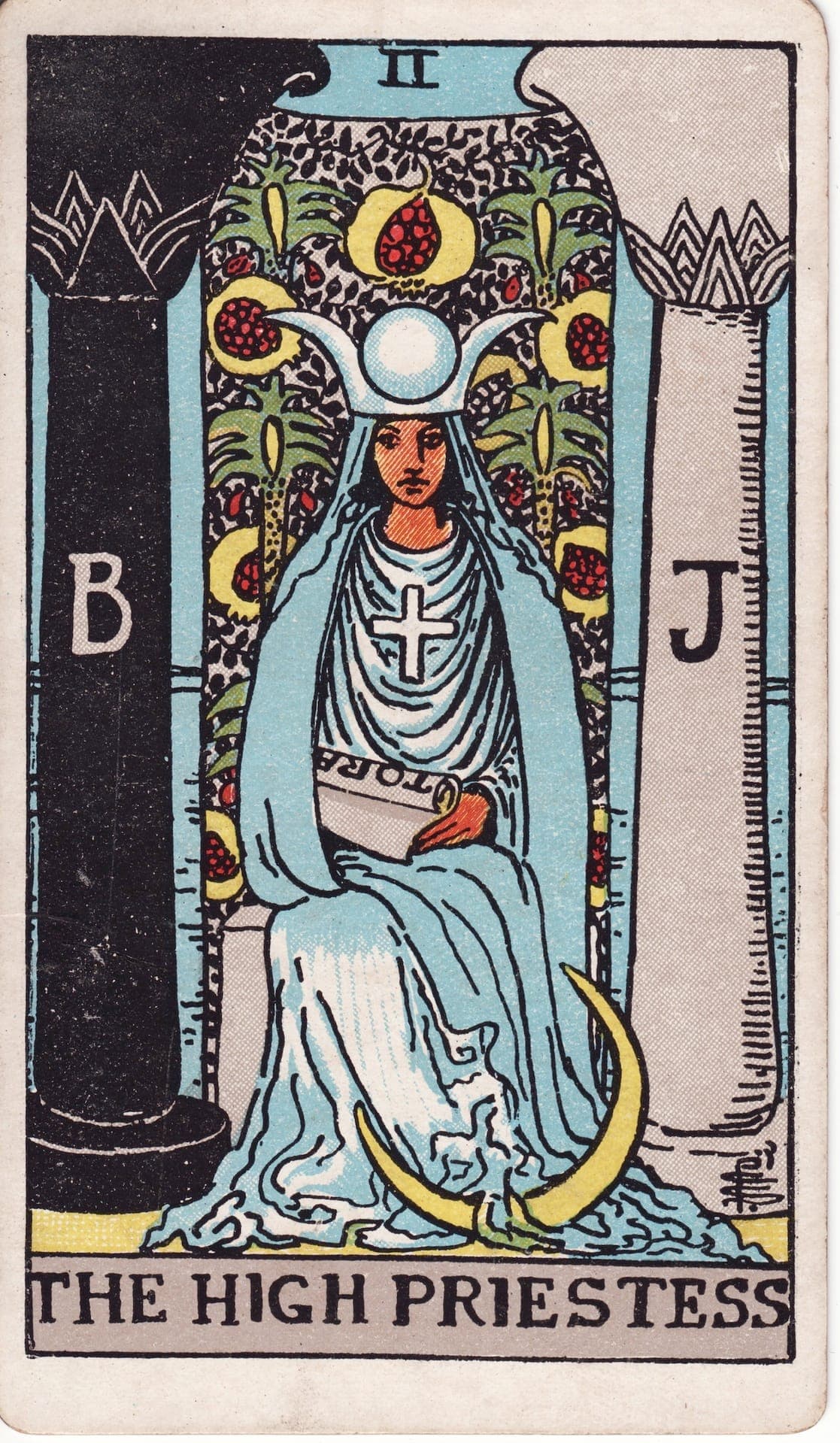
The High Priestess
The High Priestess sits at the threshold of the subconscious, guarding the secrets of the inner world and inviting you to trust your intuition. She represents the wisdom found in silence and the power of the feminine principle.
Why This Mapping?
This talk maps to The High Priestess because it is about cultivating an inner stance of epistemic humility, where truth is approached through listening rather than defended through identity. Julia Galef’s scout mindset mirrors the High Priestess’s role as guardian of perception, teaching us to notice bias, suspend certainty, and sit with ambiguity long enough for clearer seeing to emerge.
▶READ MORE ABOUT WHY THIS MAPPING...
Reflection Questions
- •What is my intuition trying to tell me that I have been ignoring?
- •How can I create more space for silence and deep listening in my daily routine?
- •What secrets or shadow aspects of myself am I afraid to look at?